


Specify whether the application requires anaerobic or microaerobic conditions, then match those requirements to the proposed model and its documented operating limits. A general product category does not establish suitability for every sample or for a different application, such as cell hypoxia research.
Define the task before comparing configurations
List the activities that must take place inside the workstation. Holding culture containers, manipulating samples, observing cultures and using another instrument can place different demands on the same working area. Include the frequency of each activity and who will perform it.
Use the following questions to prepare a configuration discussion:
| Selection question | Information to provide | Evidence to request |
|---|---|---|
| What environment does the application require? | Sample category, applicable method and permitted exposure conditions | Model-specific control and monitoring capabilities, measurement locations and limitations |
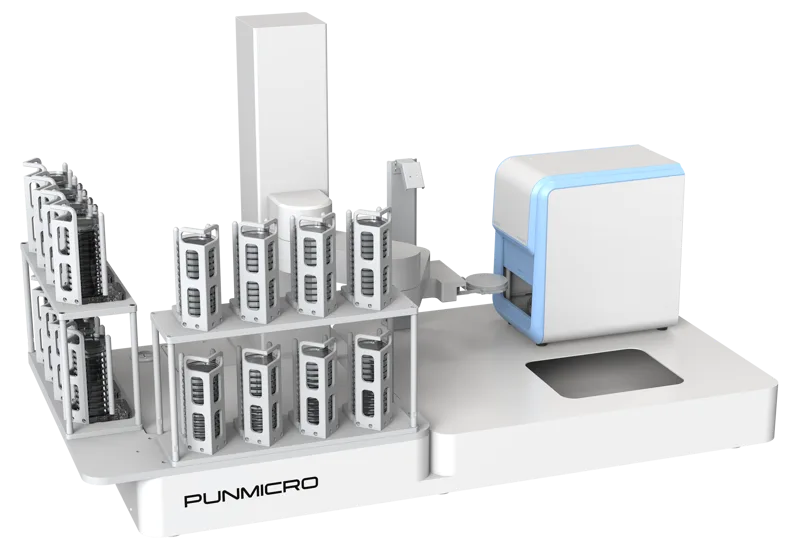
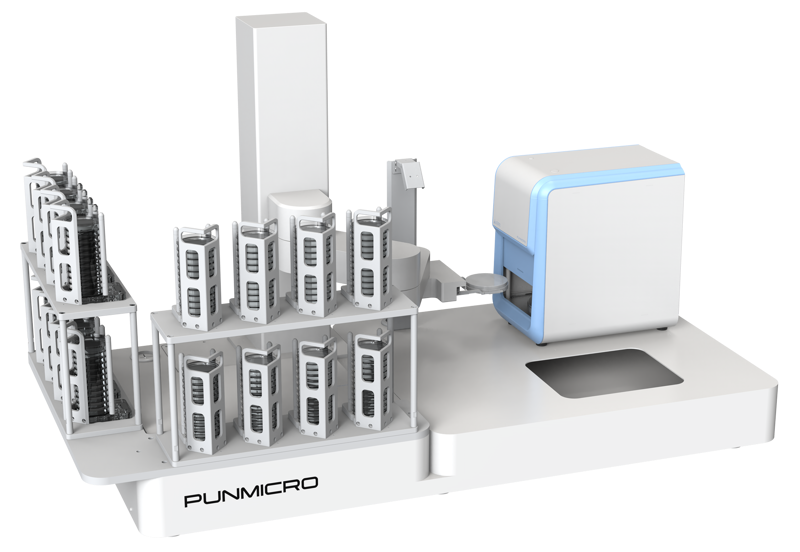
| Which operations must fit inside? | Containers, tools, additional instruments and sequence of movements | Layout drawing and a demonstration with representative items |
| How will items enter and leave? | Largest item, batch size and transfer frequency | Transfer arrangement, applicable instructions and completion criteria |
| How will extended use be supervised? | Expected duration, inspection arrangements and people receiving alerts | Available records, alarm functions and maintenance requirements |
| Which additional features matter? | Light protection, filtration, observation or integration requirements | Included and optional items, compatible materials and supporting documentation |
Keep application approval separate from a product name. Microaerobic microbiology and cell hypoxia research should have their own task definitions and configuration assessments; a requirement for reduced oxygen alone does not establish that the same equipment setup is appropriate.
Check usable space at the busiest point in the workflow
Nominal chamber volume is only one input to capacity planning. Record the actual dimensions of containers, racks and instruments, then consider the room needed for hands, tools, visibility and routine access. An instrument that physically fits may still obstruct an operation or leave insufficient access for maintenance.
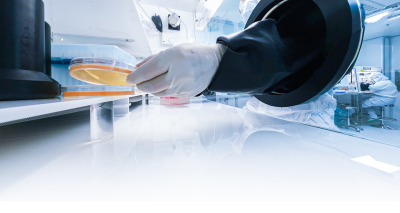
A practical layout review distinguishes storage space, the active working area and access that must remain clear. Ask the intended users to demonstrate the required movements with representative containers. Note reach limitations, obscured viewing areas, tool interference and whether the proposed loading arrangement can be used simultaneously.
Record peak occupancy rather than relying only on average daily sample numbers. Also identify any power connections, heat-producing equipment or service access associated with instruments proposed for installation inside the chamber. These are inputs for configuration review, not evidence that an integration has already been approved.
Distinguish the transfer route from the operator access ports
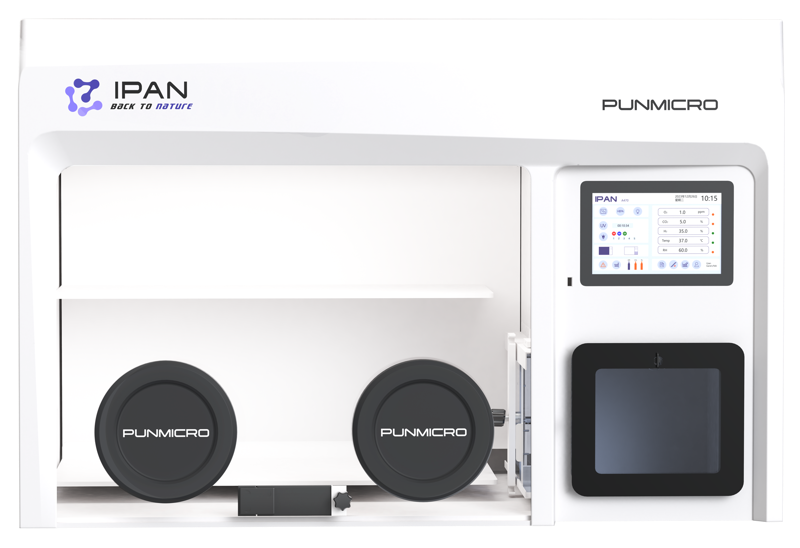
The route used to move materials into a workstation and the ports used by the operator serve different purposes. Confirm the arrangement on the exact model being considered, including opening dimensions, loading restrictions and the applicable transfer instructions.
Review single items, routine batches and the largest planned container separately. A demonstration should identify which route is used, how completion is judged and which environmental records are relevant. Do not combine procedures from different access designs into one operating sequence. The current model manual determines the procedure.
Assess atmosphere, contamination control and sample results separately
An environmental reading describes the measured condition at its measurement point. It does not, by itself, establish that a chamber is sterile or that a culture has produced the intended result. Likewise, a filter specification, a chamber cleanliness assessment and a microbiological contamination result answer different questions.
For any proposed ULPA filtration, UV or light-protection option, request its configuration status, intended use, compatible materials and supporting documentation. The quotation should distinguish included equipment from optional items. Cleaning and disinfection arrangements also need to match the workstation materials and the laboratory's approved procedures.
Keep the environmental record alongside the relevant handling events and sample observations. This makes the record more useful than an isolated screenshot of a control display. Values shown in a product illustration should not be used as operating instructions.
Compare a workstation and a jar-based workflow against the same task
Evaluate where the work happens, how containers are transferred and which conditions must be maintained during each stage. ATCC's bacteriology guidance distinguishes requirements during transfer from those during incubation; it does not make one arrangement suitable for every strain. Read the ATCC Bacteriology Culture Guide.
| Comparison point | Question to answer for each proposed arrangement |
|---|---|
| Required activities | Where will handling, observation and incubation occur? |
| Access frequency | How often must containers be accessed, and what does the approved method require at that point? |
| Batch and container fit | Which actual containers and quantities have been assessed together? |
| Records and intervention | Which conditions and events can be recorded, and who responds to an interruption? |
| Operating cost | What gas, consumables, maintenance, calibration, planned downtime and staff time are included in the estimate? |
Use the same task boundaries in both assessments. A purchase-price comparison alone cannot establish the cost or suitability of the complete workflow.
Use a documented demonstration to define the supply scope
Before the demonstration, agree on the model, configuration, representative items, loading arrangement and acceptance questions. Retain the sequence of activities, relevant environmental changes, operator observations and any interruptions. A demonstration record should show what was assessed and what fell outside its scope.
For site preparation, request the current installation information: external dimensions, weight, access route, bench requirements, service clearances and connections. Confirm consumable requirements and maintenance responsibilities against the specific model. Replacement intervals and service life should come from its documentation rather than assumptions about another product.
Frequently asked questions
Does an anaerobic workstation guarantee a sterile culture environment?
No. Atmosphere management, contamination control and culture outcomes need separate procedures and evidence. Assess the required cleaning arrangements and available options for the proposed configuration.
Can chamber volume determine sample capacity?
Volume alone is insufficient. Container dimensions, working movements, visibility, stored items and access for other equipment determine whether the intended load can be handled in practice.
What should I send with a configuration enquiry?
Provide sample categories, applicable methods, container dimensions, peak workload, transfer frequency, operating duration and any additional equipment or options. Include the records your laboratory needs to retain.
Discuss these requirements through product and application enquiries. Existing users can consult product documentation and technical support. For the handling and documentation framework, see anaerobic culture workflow planning.
References and further reading
- ATCC Bacteriology Culture Guide · Read directly; supports the limited distinction between transfer conditions and incubation conditions, not IPAN performance or a culture protocol.