



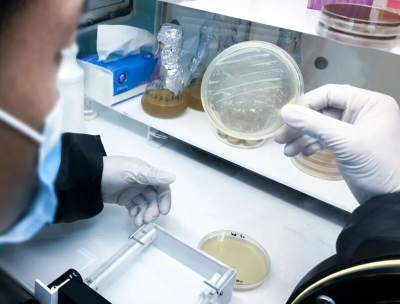

The count also needs an interpretation appropriate to the test. A colony number alone cannot establish the overall safety of a food product. The useful result combines a reviewed plate reading with the preparation, dilution and method records that explain it.
Understand how the food matrix affects the image
Particles, incompletely dispersed ingredients and bubbles can appear in plates prepared from complex foods such as chocolate. In dairy products and other matrices, the contrast between the sample background, medium and colonies also needs attention.
A particle marked as a colony can add to the count. A small colony dismissed as debris can be missed. These are different review problems and should remain distinguishable in the record.
Start by checking how the sample was prepared and whether the applicable method was followed. Image filters and manual marker corrections assist interpretation; they cannot repair an uncontrolled dilution, contamination event or culture process. When the upstream record is uncertain, a cleaner-looking marked image does not resolve that uncertainty.
Keep preparation, reading and reporting connected
The following table organizes the evidence around the stages already present in the laboratory's method. It is a record framework, not a replacement for the test procedure.
| Stage | Question to resolve | Record to retain |
|---|---|---|
| Sample preparation | Was the matrix handled and mixed as required by the method? | Sample condition, preparation method and initial dilution |
| Serial dilution | Was each transfer associated with the correct dilution and mixing record? | Dilution relationships, consecutive identities and any deviation |
| Inoculation and culture | Were the specified approach and conditions followed? | Plate ID, method version and culture record |
| Image analysis | Did particles, bubbles, glare or touching growth affect markers? | Original image, marked image and analysis configuration |
| Manual review | What supports the decision on each difficult target? | Before-and-after counts and the reason for each change |
| Reporting | Do the calculation and interpretation follow the method? | Dilution, volume, unit and abnormal-result explanation |
Temperature, time, target organism, counting range and reporting rules belong to the method selected for the test and market. Confirm its applicable version. A summary of changes to a food-testing standard should not be used in place of the standard or applied to every food category.

Assess dairy samples by their actual reading difficulties
A useful dairy evaluation includes routine plates and the high-interference plates that staff already find difficult. Review low-contrast targets, background particles and touching growth separately.
Keep the plate image beside the automatic markers and the manual review decision. Record where a target was missed, where a background object was included, and why a correction was made. A demonstration that recognizes one clear image cannot establish suitability for every dairy product or every preparation.
Compare like tasks. For example, if two groups of plates have different backgrounds, retain the group identity and the analysis conditions rather than presenting the results as one undifferentiated batch. The aim is to identify where the workflow is usable and where additional review remains necessary.
Define what a probiotic plate count represents
For a probiotic product, establish the target microorganism, culture conditions and the population the test is intended to count. Different microorganisms may require different test requirements; a product label or a colony photograph does not settle that scope.
A plate culture result describes units that form colonies under the chosen method conditions. A single colony image does not identify all living cells, dead cells or the complete microbial composition of the product.
Keep that distinction in the report and in equipment discussions. Assess the counter's performance on the actual plate images and required records, without turning image recognition into a claim about strain identity, product composition or health effects.

Maintain consistency across a batch
Confirm suitable imaging and analysis conditions for the sample group before processing similar plates through a controlled workflow. Different matrices do not have to share one setting. Within a defined task, however, the reading and review rules should be clear and reproducible.
When a parameter changes or a marker is corrected, record the reason. Bind the sample ID to the original image, marked result, final count and calculation inputs. This allows a reviewer to distinguish a change in the sample from a change in how its image was analyzed.
Blank controls address contamination in the process they are intended to check. A blank plate by itself is not calibration material that proves counting accuracy. Keep the purpose of each control explicit rather than assigning every check the same meaning.
A compact batch summary can list the sample group, number of plates processed, plates requiring review, unresolved plates and links to their individual records. These fields organize actual observations; they do not imply a particular performance level.
Place ICON at the counting stage
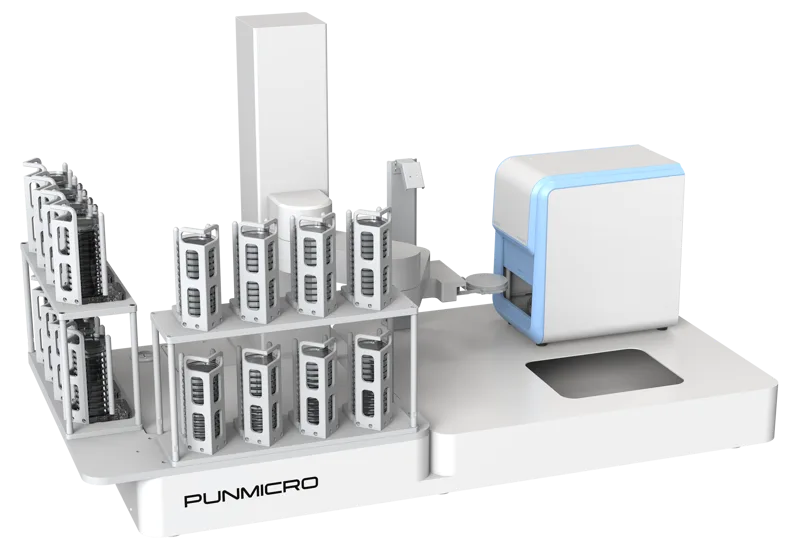
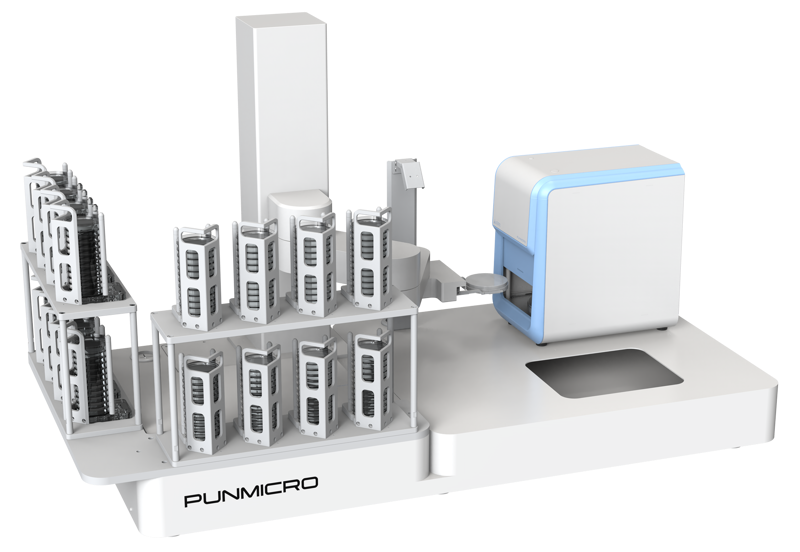
ICON is used for image-based counting and review of cultured plates. When assessing a configuration, examine the manual marker additions and deletions, image retention and result exports needed for your work. Confirm AI-assisted features, morphology libraries, plate formats and permission controls against the actual model and software version.
The assessment should include difficult samples and manual interventions. Universal promises such as zero missed targets or no intervention for every sample do not describe that evaluation.
See how to count colonies on agar plates for the review sequence. The serial dilution guide and CFU calculation guide address the connected records. The pun-ICON product page sets out configuration questions.
Frequently asked questions
Can image filtering solve food-particle interference?
It may assist review, but the image and the decision still need checking. Filtering cannot correct an uncontrolled preparation, dilution or culture process.
Should all food matrices use identical analysis settings?
Not necessarily. Establish conditions suited to the sample group, and keep the rules and any changes documented within the task.
Does a probiotic colony count describe every cell in the product?
No. It reflects units that form colonies under the selected method conditions. It does not, by itself, determine all live cells, dead cells or the product's complete microbial composition.