



A useful integration plan treats the physical sample and its digital record as related deliverables. Both need an identifiable destination, a recorded status and a defined response when a handoff fails.
Map the sample journey before selecting interfaces
List the actual stages: source plate, destination container, culture or review, analytical preparation and receipt of sequencing data. At every transfer, identify the source, destination, task status and exception record. Include manual handoffs as explicitly as automated movements.
For each proposed device or software connection, request the model, version, interface documentation and responsible supplier. Barcode reading, an API or a robotic connection may form part of a proposed project, but each requires a defined scope. Do not assume that the existence of one interface establishes compatibility with a particular sequencer or preparation platform.
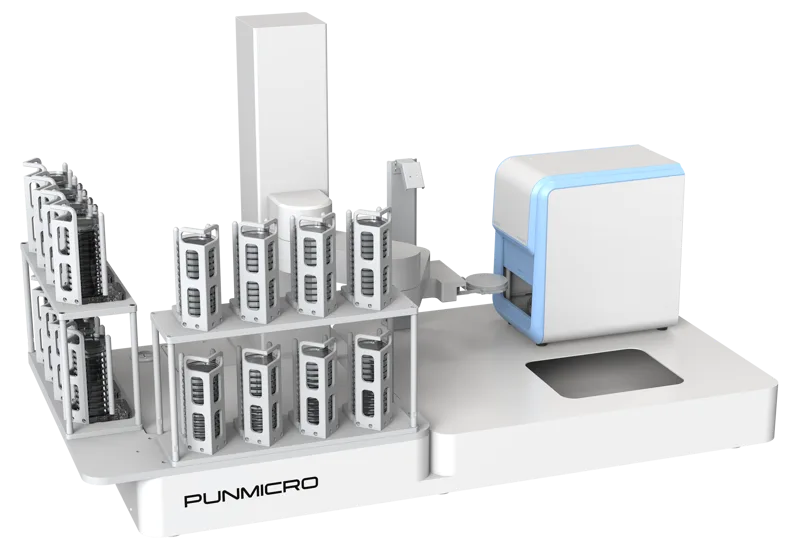
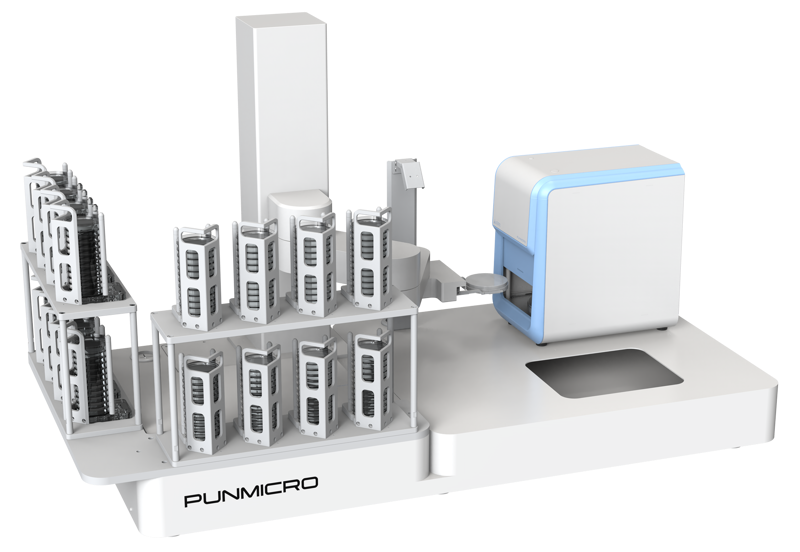
Keep the colony picking workflow and the downstream integration assessment connected. The picking record establishes which target was selected and where it was transferred; later records establish what happened to that destination sample.
Preserve identities through plate positions and derived samples
Agree a naming scheme that distinguishes a sample, its container and its position. A well designation alone is incomplete without the destination plate identity. Record orientation and coordinate conventions so a source position can be reconstructed during review.
| Record object | Relationship to preserve | Error to check |
|---|---|---|
| Source plate | Original sample ID, culture batch and plate ID | Duplicate or ambiguous plate names |
| Destination position | Destination plate ID, well and source colony identifier | Reversed rows or columns; an empty position marked complete |
| Subsequent preparation | Derived sample ID, preparation batch and originating well | Lost provenance after splitting, dilution or pooling |
| Analysis receipt | Analysis task ID, receipt status and result file identifier | Matching by a filename without confirming the underlying sample |
Preserve one-to-many relationships when a source produces several derived samples. Preserve the contributing sources and applicable rule when samples are combined. Assigning a new identifier should add a traceable relationship rather than overwrite the previous identity.
A review record can use a simple chain of fields: source plate ID → colony identifier → destination plate and well → derived sample ID → analysis task ID. This is an illustrative record structure, not an instrument export format. Intermediate events, failures and reviews still need their own records.
Compare field meanings before testing file transfer
Request an actual export example or protocol specification from each side of the proposed connection. Compare character encoding, time format, well naming, coordinate origin, status values and unique identifiers. Two systems that accept CSV may still use different column names, units or permitted values.
Create a field-mapping record with the source field, destination field, meaning, format, required status and handling of an empty or invalid value. Identify who is responsible for each conversion. Keep the agreed mapping with the relevant software and interface versions so a later change can be assessed against it.
The interface assessment should cover more than a successful transfer. Review duplicate submissions, missing required fields, a disconnected link, rejected receipt and partial completion. A failed sample must remain identifiable by source and destination. Retrying a message must not create a conflicting second sample identity.
Assess physical handoff and data handoff separately
Physical integration concerns container restraint, the movement path, task timing and the required sample condition. Data integration concerns messages, record relationships, statuses and ownership of results. Passing one assessment does not establish that the other has passed.
Initial checks can use tasks without biological material and simulated identifiers to compare counts, positions and message flow. Subsequent representative-sample assessment must follow the laboratory's approved method, with the complete run record retained. Equipment disassembly, track adjustment and mechanical calibration belong to authorised engineers working under controlled procedures.
Define where a task can restart after an interruption and which conditions require human confirmation. Preserve the distinction between an action requested, an action completed and a receiving system acknowledging its record. That distinction helps prevent an incomplete handoff from being treated as a finished sample.
Turn acceptance questions into reviewable evidence
Agree the questions and required evidence before committing to an integration scope.
| Acceptance question | Evidence to request |
|---|---|
| Can every final analytical sample be traced to its source plate and colony position? | A complete relationship record for the reviewed task |
| Are picking failures, culture exceptions and preparation failures distinguishable? | Separate status definitions and corresponding event records |
| Do sample counts, unused positions and control positions reconcile across the transfer? | Source and destination maps with exceptions explained |
| Does the receiver acknowledge records and recognise duplicates? | Receipt records and the documented result of the relevant interface checks |
| Where does recovery begin after an interruption? | Recovery state, retained records and required human confirmation |
These are acceptance questions, not evidence that a specific integrated system has already been delivered. Confirm the scope of robotic handling, incubation equipment, extraction equipment or other instruments against the agreed task. Special plate formats and external modules require their own compatibility evidence.
Prepare the actual process map, consumable references, field examples and exception requirements before requesting technical support. This gives the equipment, software and laboratory teams a common basis for reviewing the handoff.
Frequently asked questions
Can a picked colony go directly into a sequencing instrument?
Picking completion alone does not establish readiness. The target analytical method determines the required culture, assessment and sample preparation stages.
Is a shared CSV format enough to establish an interface?
No. The systems must agree field meanings, identifiers, positions, formats and status handling, including duplicate, rejected and partially completed records.
What should be retained when a sample is split or pooled?
Keep the original identity and the relationship to every derived sample or contributing source. Retain the relevant processing event and rule so the final result can be traced through the intermediate stages.