


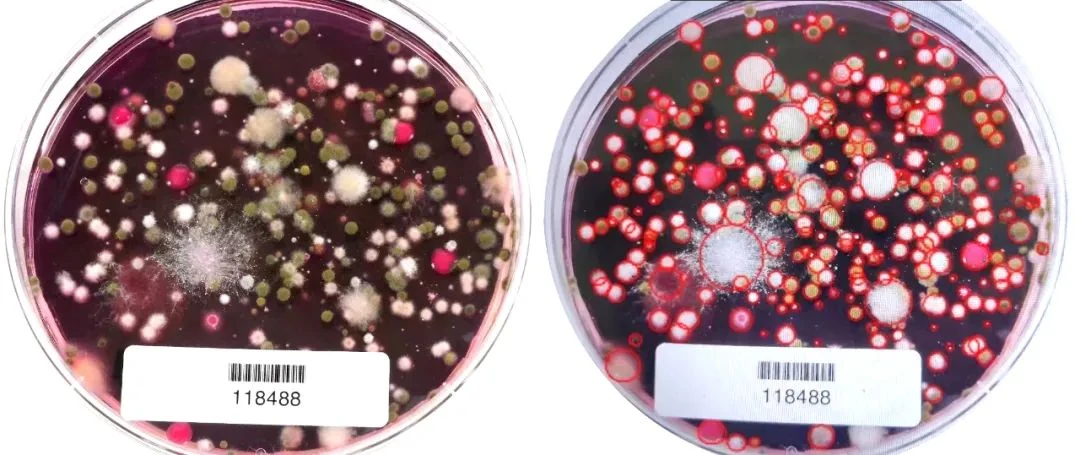

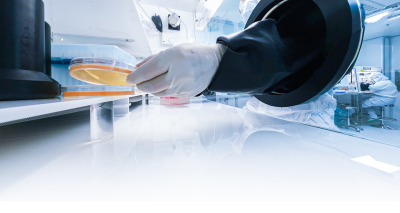
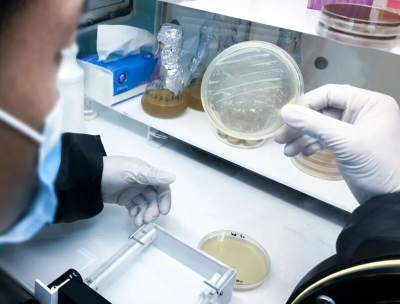

Automation's fit depends on the laboratory's samples, proportion of difficult plates, review requirements and data workflow. A faster initial reading may still need substantial review. A close final total may still conceal different decisions about individual targets. Both should be visible in the comparison.
Understand what each workflow involves
In manual counting, a reader observes, distinguishes and marks targets. Experience can help with complex appearances, while fatigue, missed markings and differences between readers need attention.
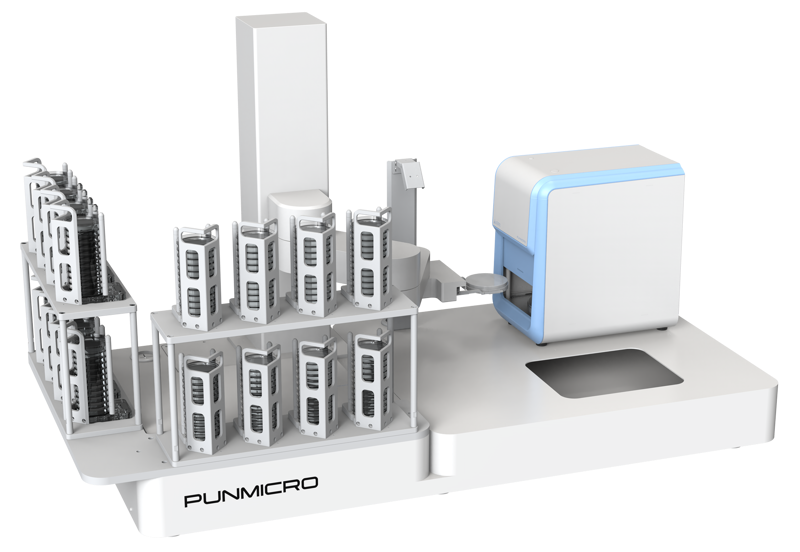
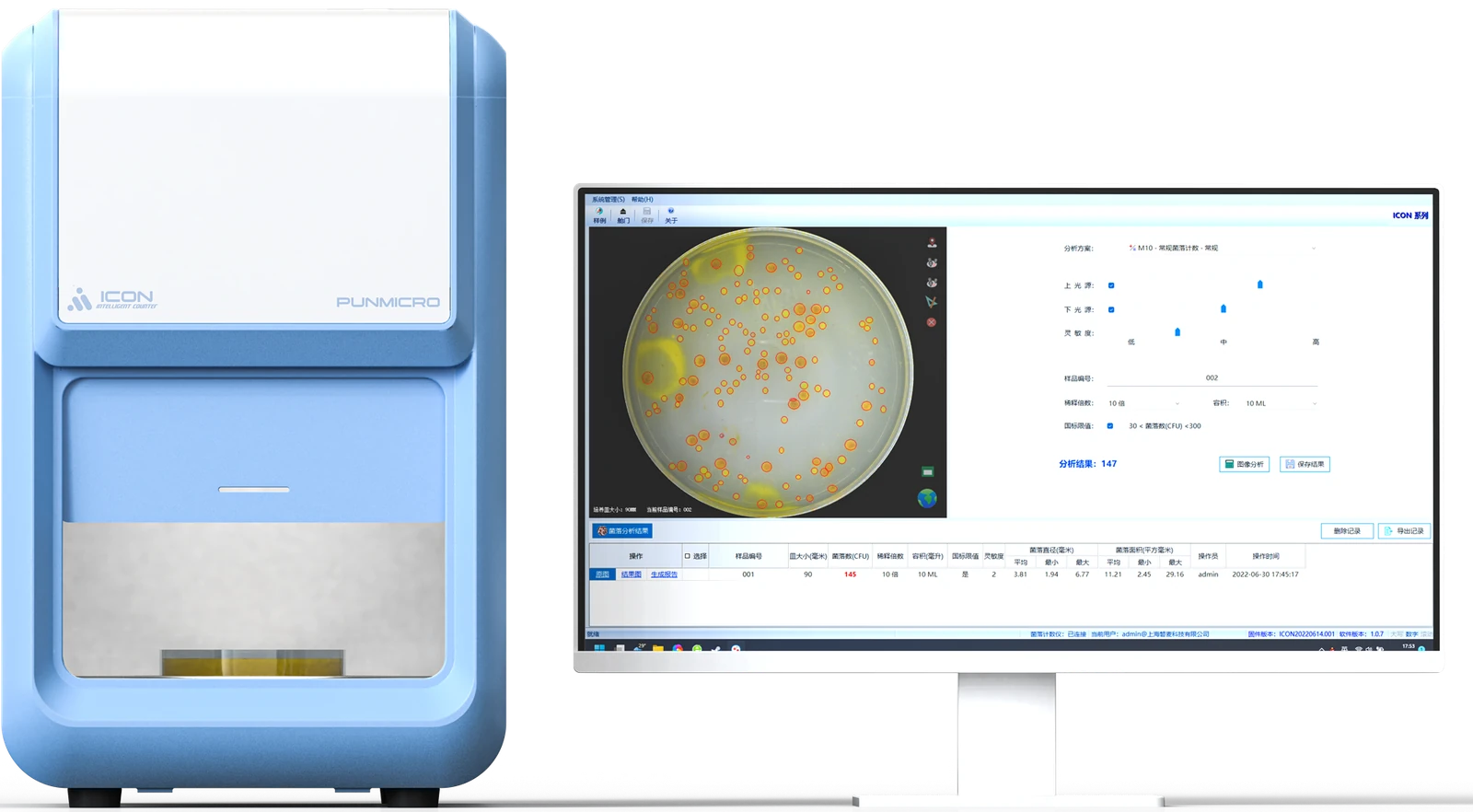
Automated counting assigns image capture, target detection and the initial tally to the system. Images and markers can support later review, but image quality, detection suitability and manual corrections still influence the final result.
| Comparison area | Manual workflow | Automated workflow |
|---|---|---|
| Target recognition | Reading rules, experience and visual fatigue | Fit to colony appearance, background and interfering objects |
| Difficult samples | Reasoning behind the decision and agreement between readers | Incorrect markers and the effort needed to correct them |
| Time | Observation, marking, recording and second review | Loading, imaging, analysis, correction and export |
| Records | Connection between the original reading and plate identity | Connection between image, markers, changes and final result |
| Batch work | Work allocation and handover | Continued processing, interruptions and recovery |
Use the table to describe the workflows actually being compared. A workflow that includes a second review should not be compared with one whose timing stops before review begins.
Choose representative plates and define the reference
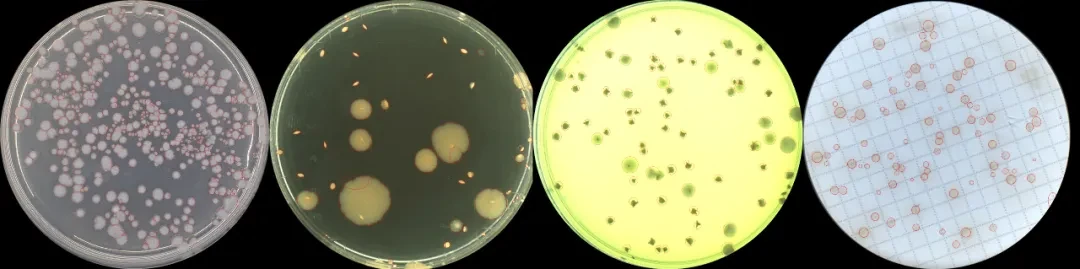
Include routine samples as well as the low-contrast colonies, touching growth, particles, bubbles and edge reflections that occur in normal work. A demonstration built only from the clearest plates will leave the most consequential questions unanswered.
For each plate, retain the dish type, medium, sample type, culture conditions, software version and analysis settings. Agree the selection approach, number of samples, analysis method and acceptance criteria before interpreting the results.
Establish the manual reference using the predefined process before consulting the automatic output. If readers disagree, retain the disagreement and the basis for its resolution. A human count also requires quality control; it should not be treated as an error-free truth simply because a person produced it.
These steps make the comparison reviewable. They do not themselves prove that one device has a fixed accuracy advantage or reduces labor by a particular percentage.

Compare target locations, not only final totals
For every plate, keep the initial automatic count, the manual reference and the count after review. Link any disagreement to the original and marked images.
An overall difference helps identify which plates deserve attention. The location of the disagreement explains what happened: a particle marked as a colony, a faint target omitted, an uncertain boundary, or a decision about the plate edge.
A low difference between totals does not establish agreement on every target. An extra marker and a missed colony can offset one another. Review the image evidence and retain the classification of the difference instead of treating a matching number as the entire result.
| Field in a comparison record | What it allows a reviewer to check |
|---|---|
| Plate ID and sample group | Whether both workflows processed the same material |
| Manual reference and its review basis | How the comparison reading was obtained |
| Initial automatic and reviewed counts | What changed during review |
| Target locations and difference categories | Where omission, extra marking or boundary disagreement occurred |
| Correction reason and unresolved status | Why the final decision was made, or why it remains open |
| Image and settings references | Whether the comparison can be revisited |
The record format is a framework for collecting observations, not a published performance dataset.
Time the complete task
“Analysis time” may describe only the software calculation. “Time per plate” may also include placement, removal and identity checks. Daily throughput additionally depends on working time, review frequency and interruption handling.
Record those boundaries explicitly. Separate preparation, loading, imaging, analysis, review, recording and export where they are part of the actual workflow. Note repeats, retakes and interruptions instead of silently excluding them.
Keep instrument running time distinguishable from the time a person spends handling or reviewing a plate. For a batch, include the work required to finish the records. A short algorithm time should not be converted directly into an unverified daily capacity.
Use the same timing definition for both workflows and retain the version and sample conditions. Without comparable records, a speed or accuracy ranking would imply more than the evidence supports.
Interpret the result for your workload
Low-volume and teaching laboratories may place greater weight on ease of observation and the quality of the record. Batch quality-control work also needs to account for review effort, identity management and recovery from interruptions.
Some plates will still require a method-based decision: extensive merged growth, contamination, unclear boundaries or samples beyond the evaluated scope. Keep the abnormal result and its review route. Image classification does not establish species identity, genetic change or clinical significance.
The most useful conclusion states which samples were covered, how much review they needed, what records were retained and where limitations remained. Equipment-specific requirements are discussed on the pun-ICON product page; the routine review sequence is covered in how to count colonies on agar plates.
Frequently asked questions
Is a manual count always the correct reference?
No. The reference needs a defined reading process and a way to resolve disagreements. Keep its basis and limitations in the comparison record.
Can two matching totals hide counting errors?
Yes. An additional marker and an omitted colony can offset each other. Review target locations as well as the final numbers.
Which time should be used when comparing productivity?
State the task being measured. For practical workload comparisons, include the relevant preparation, handling, review and reporting, and distinguish these from software analysis time.