




Plan the equipment and the information flow together. A useful record should let a reviewer follow an isolate back to the source sample and understand how it reached the next stage, including any exception or unsuccessful outcome.
Define the research endpoint before drawing the workflow
Different questions require different records. A project may investigate what can be cultured under a specified condition, build a traceable isolate collection, or compare results obtained through approved conditions. Define the endpoint before deciding which information must be collected.
Record the study objective, sample batch, approved handling route and decision criteria. The project lead determines the method and facility requirements; an equipment description should not be used in place of that assessment.
For a defined strain, consult its applicable culture information. DSMZ links strains to specific media information and describes differences in oxygen tolerance among anaerobes. Those distinctions explain why one chamber setting cannot represent the complete requirements of every microbiome sample. DSMZ guidance on cultivation of anaerobes.
Connect identity across every handoff
Use identifiers that remain connected when material changes container, location or status. A photograph, an instrument log and a later analytical result are useful only if their relationship to the same sample can be established.
| Workflow stage | Records to connect | Information gap to prevent |
|---|---|---|
| Sample receipt and handling | Sample identifier, batch, time and approved handling method | A culture result cannot be traced to the original sample |
| Culture preparation and environment review | Medium lot, container, method version and relevant environmental record | Instrument readings are available but culture requirements are undocumented |
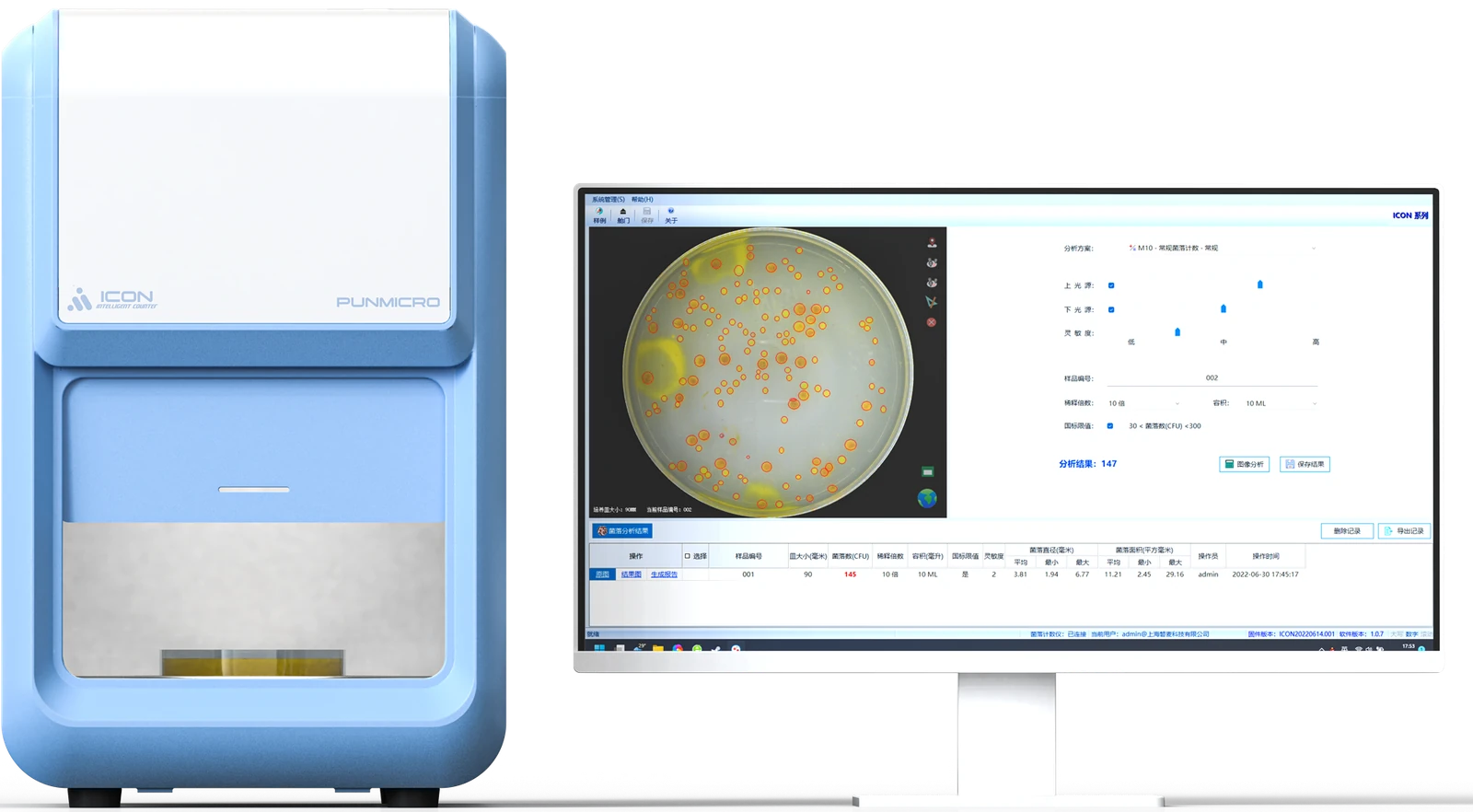
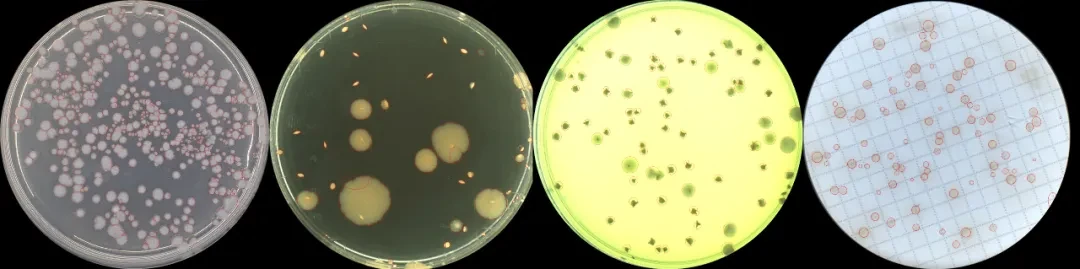
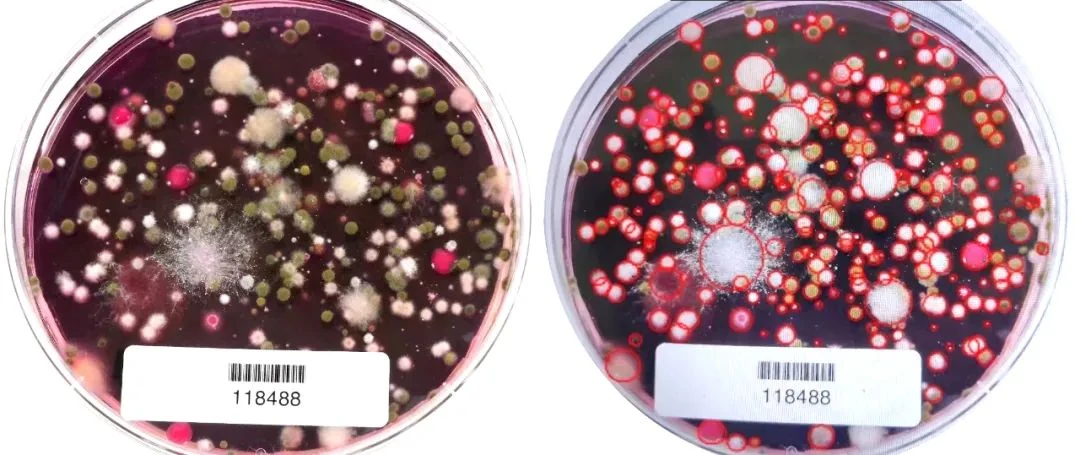
| Isolation and observation | Plate identifier, image, location and observation date | A colony image cannot be assigned to a particular plate |
| Selection and transfer | Source colony, selection reason and destination container or position | A completed pick has no reliable source-to-destination link |
| Subsequent confirmation and storage | Method actually used, result, reviewer and storage location | Colony appearance is treated as a confirmed identity |
Preserve the relationship between records rather than relying on similar filenames. If an isolate receives a new collection identifier, retain its previous identifiers and the event that created the new record. Corrections should leave the earlier information traceable.

Make the link between a sample and an isolate readable
A simple record chain can clarify the required fields before any software integration is discussed. The following identifiers are illustrative labels only; they are not experimental data or a claim about a device's export format.
| Illustrative record | Relationship to retain | Evidence linked to it |
|---|---|---|
| SAMPLE-A | Original sample and batch | Receipt and approved handling record |
| PLATE-A | Derived from SAMPLE-A | Method version, medium lot and plate image |
| CANDIDATE-A | Selected position on PLATE-A | Selection reason and review record |
| ISOLATE-A | Destination associated with CANDIDATE-A | Transfer status and subsequent observations |
| CONFIRMATION-A | Assessment of ISOLATE-A | Method used, result and responsible reviewer |
The important feature is the relationship, not the naming convention. A laboratory can use its existing identifiers if the links remain unambiguous. Where information is entered manually, identify who records it and where it is reviewed.
Define the workstation's role within the wider process
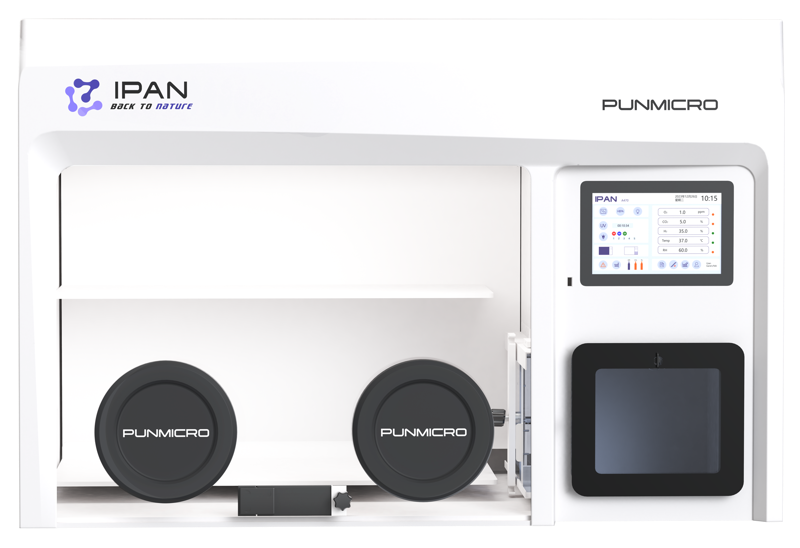
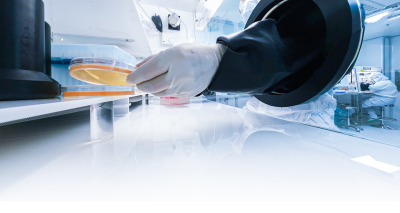
For a proposed pun-IPAN configuration, identify which inoculation, isolation, observation or culture-handling activities need to take place in the controlled atmosphere. State whether the application calls for anaerobic or microaerobic conditions. Then assess the documented capabilities of the proposed configuration against those tasks.
List the containers, tools and any other instruments expected inside the chamber. Review transfer dimensions, usable working space, power requirements, heat generation, access and maintenance. If light protection or filtration is proposed, specify its purpose and confirm the configuration and supporting documentation.
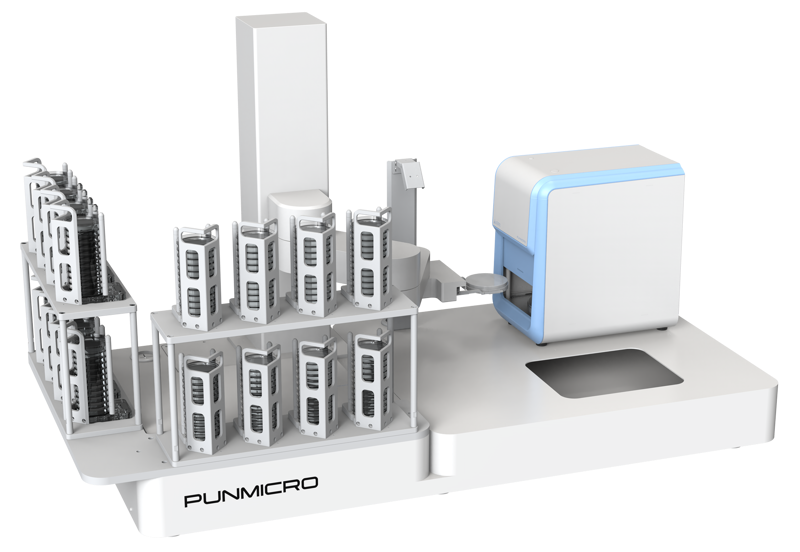
An equipment combination requires separate assessment of mechanical fit, operating conditions, material handoff and data exchange. Physical proximity does not establish automatic communication or sample transfer. Define what the operator does and what each instrument is actually required to do.
Preserve colony-selection and transfer evidence
Where automated colony picking is part of the project, retain the source plate, selected candidate and destination relationship. Distinguish the records produced by the instrument from information supplied by laboratory staff. Selection criteria, manual changes and the reason for a review should remain associated with the same task.
Keep colony appearance separate from subsequent identity or purity assessment. The colony-picking workflow guide explains the general source-to-destination record. The microbiome study record should also retain the original sample relationship and the evidence used to accept the isolate for its intended purpose.
Review batches with outcomes and exceptions together
A batch review should account for which samples entered the workflow, which cultures produced observations, which colonies were selected and what was observed in the destination containers. Record the methods actually used for later confirmation rather than implying that successful transfer establishes identity.
Retain unsuccessful and indeterminate outcomes alongside accepted results. State the relevant sample group, method version and review decision when presenting a result. An equipment demonstration, an environmental log or a successful photograph cannot independently establish a culture-recovery rate or broad sample coverage.
For interruptions, link the event time to the affected samples, available device records, actions taken and the person responsible for disposition. If a cause is unknown, record the finding and the review status instead of converting a possible explanation into a confirmed fault.
Prepare the application discussion
Bring a workflow diagram from the original sample to the intended destination, a container and instrument list, the expected daily and peak workload, and the fields required for traceability. Identify manual handoffs and proposed interfaces separately. This gives the application team a concrete task to assess without assuming that every step is already automated.
Discuss the scope through application and configuration enquiries. Use the IPAN selection guide for equipment questions and the anaerobic culture workflow guide for environmental transitions and record planning.
Frequently asked questions
Does a workstation record prove that the target isolate was recovered?
No. Equipment records describe part of the workflow. Recovery and subsequent confirmation need their own sample-linked observations and the methods used to assess them.
Does locating a colony picker beside a workstation establish an integrated system?
No. Mechanical fit, operating conditions, material transfer and data exchange are separate questions. The intended roles and interfaces need to be defined for the proposed combination.
Which record should remain accessible after an isolate receives a new identifier?
Keep the link to its source sample, source plate, selected colony, transfer event and subsequent confirmation. A new collection identifier should not erase that history.
References and further reading
- DSMZ MediaDive: Cultivation of Anaerobes · Read directly; supports strain-linked media information and differing oxygen tolerance. No strain-specific procedure, medium recipe or operating condition introduced.