

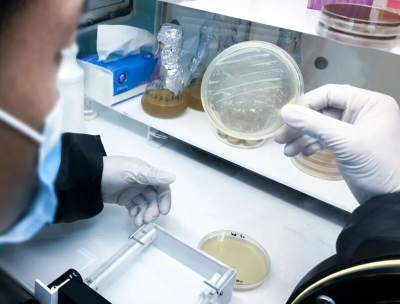

This guide explains how to organize those requirements and records. The applicable strain information, laboratory method and model-specific instructions determine the actual culture conditions and operating procedures.
Start with the sample and the approved method
Identify the sample or strain, the purpose of the work, the applicable method and the facilities required. Record which culture conditions and handling restrictions apply before choosing media, containers or equipment. Different anaerobic microorganisms have different relationships with oxygen; the category name alone is not a complete operating specification.
ATCC recommends avoiding unnecessary oxygen exposure when working with anaerobic cultures and directs users to the conditions specified for the particular material. That guidance supports a strain-specific assessment, not a universal gas setting. ATCC Bacteriology Culture Guide.
Keep the medium's preparation and release information separate from chamber status. Record the medium name and lot, its preparation or purchase details, storage information, container identity and status for use. An environmental reading inside the chamber cannot replace the evidence required for the medium under the chosen method.
Map environmental changes along the existing sample route
Draw the route already approved by your laboratory, from sample preparation to the intended culture or observation endpoint. Mark each location where the sample changes environment or is handed to another person or device. At every transition, keep its identity linked to the container and event record.
The map should distinguish what is measured from what is inferred. Identify the device, measurement location and time associated with an environmental value. A sensor record does not automatically describe the conditions inside every container or the sample's entire exposure history.
Where two approved routes are in use, compare their records using the same headings: sample identity, containers, environmental transitions, event times and responsibilities. The purpose is to make existing work traceable. A comparison diagram should not introduce a new transfer sequence or imply that either route has demonstrated better culture performance.
Plan transfers around the exact workstation
Prepare the tools and consumables required for the approved task so that forgotten items do not create unnecessary additional transfers. Include the handling of packaging, container exteriors and waste in the relevant contamination-control arrangements.
The transfer structure, allowable item dimensions, loading arrangement, door conditions and completion criteria are model-specific. Confirm them in the workstation's current instructions. Procedures intended for one access design should not be applied to another simply because both devices are called anaerobic workstations.
Record which route was used, which containers were involved and whether an interruption or unusual event occurred. This connects the transfer record to the equipment history without turning a general workflow guide into an operating manual.
Keep workspace organization and contamination control distinct
The working layout should provide identifiable locations for clean consumables, current samples and waste while retaining the space needed for the intended operations. Keep the required workspace and airflow paths clear. Consider visibility and access, and avoid tools damaging gloves or seals.
Apply cleaning or disinfection requirements to the correct object. Tools, consumables, container exteriors and cultures have different roles in the experiment; a requirement for one should not be applied indiscriminately to all of them. The selected materials and treatments must match the equipment documentation and approved laboratory procedure.
Anaerobic conditions do not establish sterility. If damage, contamination or an environmental abnormality is observed, pause the affected operations as required by the laboratory's response procedure, retain the relevant observations and identify the potentially affected samples. Record the event without assigning a cause that has not been established.
Separate device status, handling events and sample results
A useful record connects three kinds of information: what the equipment reported, what people or devices did, and what was observed in the sample. Keeping these distinct makes an exception easier to review.
| Record category | Information to retain | What it helps establish |
|---|---|---|
| Samples and cultures | Unique identity, source, container location and responsible operator | Which material was involved in each event |
| Environmental status | Available readings, measurement location, timestamps and alarms | The recorded equipment condition over the relevant period |
| Handling events | Transfers, observations, maintenance and interruptions | Activities that coincide with changes or differences between batches |
| Culture observations | Results, images and review required by the method | Sample outcomes, independently of equipment readings |
| Exceptions and disposition | Affected samples, action taken, decision owner and recovery basis | What was reviewed and why subsequent work was accepted or repeated |
Long-duration culture and continuous culture should also be distinguished in the project description. A long period in a controlled environment does not, by itself, establish that a workstation includes the feed and removal functions of a continuous-culture system.
Use one timeline when reviewing an unexpected result
Bring the strain requirements, medium records, transfer events, equipment history and sample observations together. An elevated oxygen reading is a finding to investigate; it does not independently identify a failed component. Similarly, an unexpected culture result does not establish an equipment fault by itself.
The following is a record structure, not a completed test or a prescribed procedure:
| Timeline field | Entry to retain from the actual work |
|---|---|
| Event | Date, time and description of what happened |
| Identity | Sample and container identifiers affected |
| Device evidence | Instrument identity, available readings, alarm text and log location |
| Observed consequence | What was observed, including any outcome not yet determined |
| Review and disposition | Responsible person, supporting evidence and documented decision |
The experimental lead determines sample disposition under the applicable method. Equipment-specific questions can be referred to technical support with the model, manual version, event timeline and supporting records.
Frequently asked questions
Can the chamber reading stand in for the complete culture record?
No. Retain the applicable method, medium and container information, handling events and sample observations alongside the equipment data.
Should every laboratory use the same transfer sequence?
No. Transfer arrangements and completion criteria depend on the workstation and the approved application. Use the instructions for the installed model.
Does extended incubation mean the equipment provides continuous culture?
No. Describe the actual task and functions required. Long-duration environmental control should not be presented as evidence of a system with feed and removal control.
For equipment selection, see the pun-IPAN anaerobic workstation guide. For records that extend from an original sample to an isolate and later confirmation, see the microbiome culture workflow.
References and further reading
- ATCC Bacteriology Culture Guide · Read directly; confirms strain-specific conditions and avoidance of unnecessary oxygen exposure. No gas mixture, incubation setting or culture protocol copied.