

ICON automatic colony counter: assisting in antibacterial and bacteriostatic testing in the textile industry
Textiles are an indispensable part of our lives. With the increasing awareness of health and environmental hygiene, antibacterial textiles are entering our field of vision with a new look in medical, hygiene, home textiles, and other fields. In order to ensure that the antibacterial properties of these products can achieve the expected results, accurate and objective testing methods and adherence to standards are crucial.

Microbes are widely distributed in the nature, such as Rivers and Lakes, oceans, soils, air, etc. There are different kinds of microorganisms in different quantities, which are suitable for the external conditions(Like temperature/humidity)Bacteria and fungi can rapidly multiply, causing harm to the human body. Textiles are a good habitat for these microorganisms and an important source of disease transmission. When pathogenic bacteria multiply in large quantities on textiles, they not only produce unpleasant odors but also directly affect human health.
 Therefore, antibacterial properties of textiles/The research on antibacterial function testing is essential. In the antibacterial performance testing of textile antibacterial fabrics, it is also important to select representative and scientific strains, such as:
1. bacteriaUsually includes Gram positive bacteria such as Staphylococcus aureus, Bacillus subtilis, and Bacillus subtilis, as well as Gram negative bacteria such as Escherichia coli and Pseudomonas fluorescens. These bacteria can represent common pathogenic bacteria and provide comprehensive testing results.
2. fungusThe test strains also include molds such as Aspergillus niger, Aspergillus flavus, Aspergillus versicolor, Penicillium citreum, Trichoderma viride, Sphingomonas bassiana, Penicillium wanella, and Aspergillus nidulans, as well as fungi such as Trichophyton graminearum, Trichophyton rubrum, Trichophyton purpureus, Trichomonas mirabilis, and Candida albicans. These fungi are common sources of infection in the human body and help evaluate the antibacterial performance of textiles.

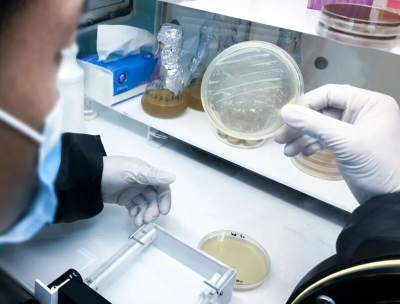
The main basis for microbial detection technology in textiles GB/T 18204.4——2013and GB 15979——2002 For example, after sampling and culturing, counting the colonies in the culture medium and analyzing the results to determine the cleanliness, antibacterial effect, and qualitative testing principle of antibacterial textile antibacterial performance is to place the antibacterial sample tightly on the surface of an agar plate inoculated with a certain amount of specific microorganisms. After a period of contact culture, observe whether there is an antibacterial zone around the sample and whether there is microbial growth on the contact surface between the sample and the agar to determine whether the sample has antibacterial performance.
Traditional colony counting methods usually require a lot of manpower and time, and also suffer from significant subjective errors ICONThe automatic colony counter is based on AIArtificial intelligence algorithms can quickly and accurately identify and count bacterial colonies, avoiding human interference and greatly improving the reliability of counting results.

– ICONAutomatic colony counter1.0 –
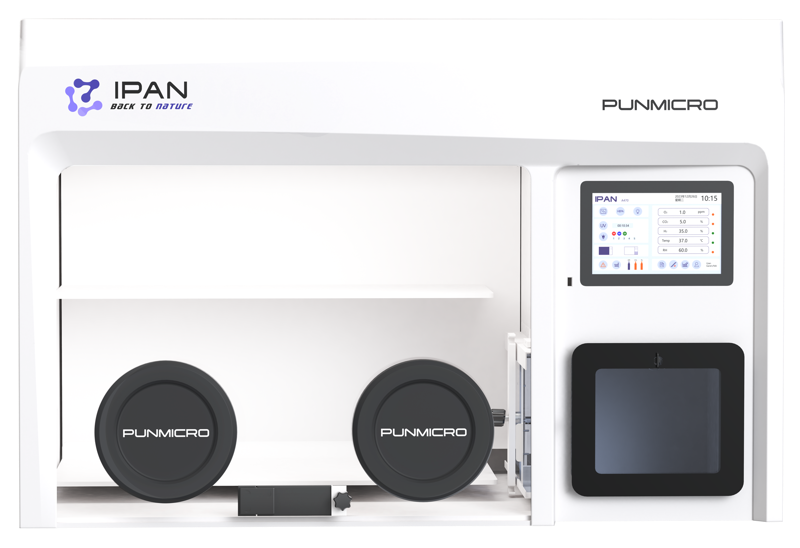
ICONSeries automatic colony counterBreaking through traditional methods and adopting advanced ones AIIntelligent recognition technology, using industrial grade high-definition technology CMOSSuper powerful camera2000 Ten thousand pixels, minimum recognizable0.05mm The bacterial colony truly achieves “whole dish counting”.
Super analysis system:PM-Suit Intelligent colony analysis system with built-in massive Sanitized Colony morphology library, the camera captures images of petri dishes and immediately matches them with corresponding analysis programs, without the need for manual selection of preset culture medium parameters.
AIIntelligent system:AIThe system recognizes and memorizes unfamiliar bacterial colonies, and then optimizes the data to improve the colony morphology database, resulting in higher counting accuracy, faster analysis speed, and higher counting accuracy>95%.Easy to operate:Simplified operation setting interface, no need to manually set mechanical switches and complicated parameter adjustments, can analyze and quickly count with one click.Data ManagementMulti level permission system architecture, audit tracking function. Data management complies with FDA 21CFR-Part 11 The GMPGood Manufacturing Practice for Drugs WHOThe provisions of data integrity guidelines, the Chinese Drug Administration Law, the Chinese Good Manufacturing Practice for Drugs, computerized systems, and other relevant regulations are compatible LIMSSystem.
– ICONAutomatic colony counter2.0 –
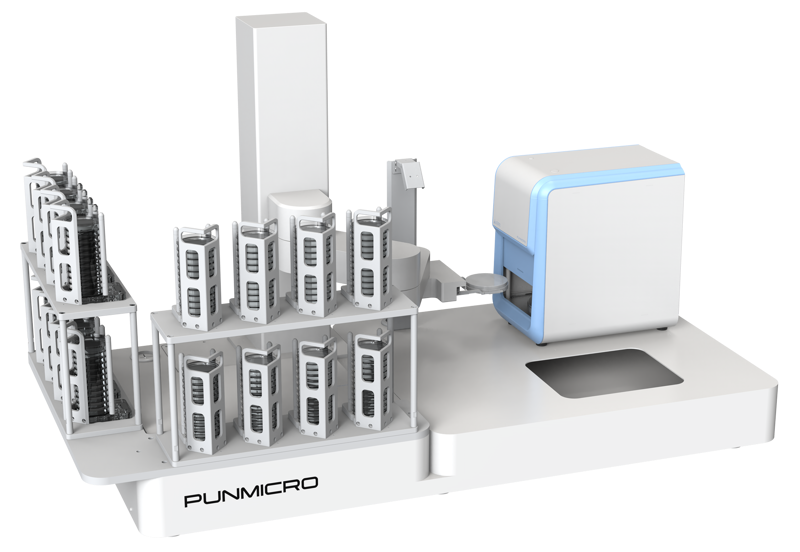
ICONSTATION
ICONSTATIONThrough high-precision robotic arms, unmanned automated operations such as board replacement, sample code recognition, colony counting, and data management are completed throughout the entire process.
The multi specification and multi-mode sample shelf form can easily meet various sample flux requirements and completely solve the problem of sample capacity limitation.
Initial testing can be set according to the requirements of the testing process/The workflow of manual review comprehensively solves the quality requirements of testing. The software can perform multi authority management, data operations can be audited and tracked, and experimental data can be seamlessly integrated LIMSSystem.